- Home
- Search Homes
- Search
- Acreage & Hobby Farms on Vancouver Island
- Lots & Land
- Homes Under 500K
- Homes $500k - $600k
- Homes $600k - $700k
- Homes $700k - $800k
- Homes $800k - $1M
- Homes $1M - $1.2M
- Homes $1.2M - $1.5M
- Homes $1.5M +
- Luxury Homes
- Ocean View Homes
- Waterfront Homes
- Rural Properties
- Vancouver Island Foreclosures
- Vancouver Island Price Reduction
- Vancouver Island Sales
- Vancouver Island Open Houses
- Nanaimo
- Cowichan Valley
- Farm Communities
- Buy
- Sell
- About
- Resources
-
- Register
- Sign In
Can You Build a Second Home on Your Vancouver Island Acreage? What Rural Property Owners Need to Know
by Maegan Morton & Loralee Burns
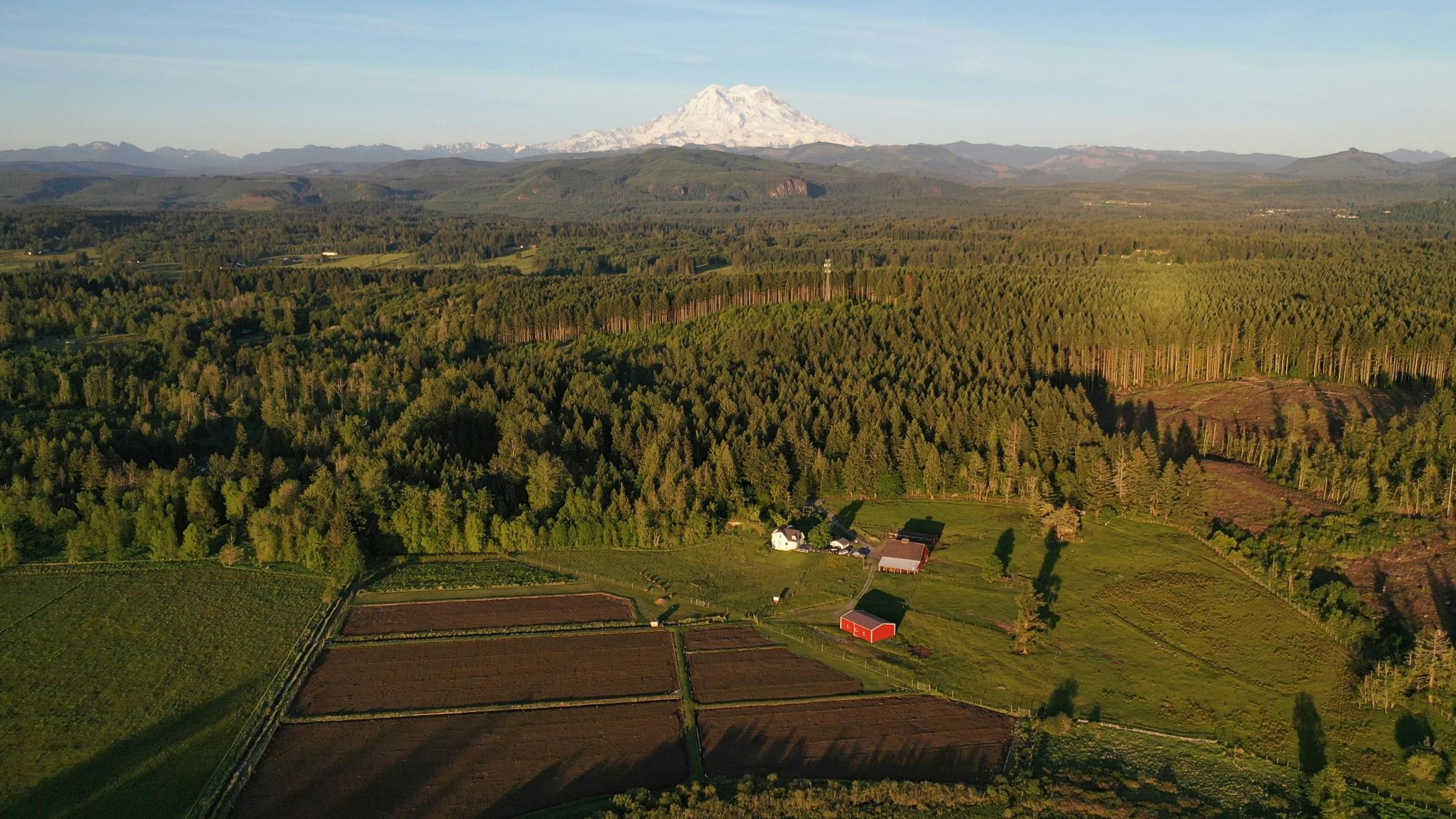
One of the most common questions buyers ask when searching for farms and acreages for sale on Vancouver Island is:
“Can I build a second home on the property?”
The answer is: sometimes - but it depends on several factors.
Rules around secondary dwellings on rural properties can be complex, especially when Agricultural Land Reserve (ALR) regulations, zoning bylaws, and regional district rules all overlap. What is permitted on one acreage may not be allowed on another, even if the properties are located only minutes apart.
If you’re considering buying rural property or already own an acreage on Vancouver Island, here’s what you should know before planning a second dwelling.
What Counts as a Second Dwelling?
A “second dwelling” can include several different types of housing, such as:
- A detached secondary home
- A manufactured home
- A carriage house
- A guest cottage
- A family dwelling for relatives
- Farm worker housing
- A secondary suite within a home
Different rules apply depending on:
- the type of dwelling,
- the property zoning & OCP,
- whether the land is in the ALR,
- and which regional district or municipality the property falls under.
Does the Property Fall Within the ALR?
The first thing to determine is whether the property is located within the Agricultural Land Reserve (ALR).
👉 ALR Maps & Information: https://www.alc.gov.bc.ca/alr-maps/
The ALR is provincial land protected for agriculture under the Agricultural Land Commission (ALC).
If your property is in the ALR, there are additional rules governing:
- residential dwellings,
- farm use,
- manufactured homes,
- and secondary residences.
Can You Have More Than One Home in the ALR?
In many cases, yes - but there are conditions.
Under current provincial regulations, ALR properties may allow:
- a principal residence,
- and one additional residence.
The second dwelling may include:
- a manufactured home,
- detached house,
- or additional residence attached to the primary home.
However, the rules vary depending on:
- parcel size,
- farming activity,
- local government bylaws,
- servicing capacity,
- and intended use.
👉 Agricultural Land Commission Residential Use Rules: https://www.alc.gov.bc.ca/land-use/residential/
Do Secondary Dwellings Have to Be for Farm Use?
Not always.
Historically, many Vancouver Island ALR properties contained:
- manufactured homes,
- family dwellings,
- or secondary residences used for multigenerational living.
Current provincial regulations do allow additional residences in some situations without requiring formal farm worker justification, although local zoning bylaws still matter significantly.
That said:
- short-term rentals may be restricted,
- detached dwellings may have size limitations,
- and some regional districts impose occupancy or use conditions.
This is why buyers should never assume a second home is automatically permitted simply because neighbouring properties have one.
What About Manufactured Homes on Acreages?
Manufactured homes are quite common on Vancouver Island acreages and farms.
In many rural areas, they have historically been used as:
- family dwellings,
- rental housing,
- temporary housing during construction,
- or accommodation for farm help.
Whether a manufactured home is currently permitted depends on:
- zoning,
- ALR regulations,
- servicing,
- and local bylaws.
Some areas may permit:
- one manufactured home,
- while others allow multiple dwellings under specific circumstances.
Buyers should also verify whether existing manufactured homes were properly permitted when installed.
Secondary Dwelling Size Restrictions
Size limits often apply to secondary residences.
These restrictions can vary depending on:
- local zoning,
- ALR regulations,
- and the type of dwelling.
Some regional districts regulate:
- maximum square footage,
- building height,
- placement on the property,
- and occupancy.
In certain areas, detached secondary dwellings may be limited to a percentage of the primary home size or capped at a specific square footage.
Regional District Rules Matter
One of the biggest misconceptions among acreage buyers is assuming rules are the same across Vancouver Island.
They are not.
Different regulations apply depending on whether the property falls within:
- CVRD (Cowichan Valley)
- RDN
- CSRD
- CRD (Comox Valley
- City of Nanaimo
- Alberni-Clayoquot
- or municipal jurisdictions.
For example:
- setbacks,
- secondary dwelling permissions,
- suite regulations,
- and agricultural use allowances
can vary significantly between districts.
👉 Regional District of Nanaimo Zoning Information: https://www.rdn.bc.ca/zoning
👉 Cowichan Valley Regional District Planning: https://www.cvrd.ca/149/Planning-Development
Can You Rent Out a Second Dwelling?
Potentially — but it depends on:
- zoning,
- ALR regulations,
- local bylaws,
- and whether the dwelling was legally permitted.
Long-term rentals are often more permissible than short-term vacation rentals.
Buyers should verify:
- whether the dwelling is authorized,
- whether occupancy restrictions exist,
- and whether rental use complies with local regulations.
What Buyers Should Verify
If purchasing an acreage with plans for a second dwelling, ask:
✅ Is the property in the ALR?
✅ What zoning applies?
✅ How many dwellings are currently permitted?
✅ Were existing dwellings properly permitted?
✅ Is there adequate well and septic capacity?
✅ Are there servicing limitations?
✅ Are there occupancy restrictions?
✅ Can the secondary dwelling be rented legally?
✅ Are there future zoning changes proposed?
Never rely solely on verbal assurances. Always verify with the regional district and qualified professionals via written correspondence.
Water, Septic & Servicing Capacity Matter
Even if zoning permits a second dwelling, infrastructure may not.
Additional homes often require:
- upgraded septic systems,
- increased well capacity,
- additional hydro servicing,
- and permitting approvals.
This is particularly important on rural and older properties across Vancouver Island.
Why This Matters for Vancouver Island Acreage Buyers
Many buyers searching for:
- multigenerational living,
- mortgage helpers,
- farm housing,
- homesteading opportunities,
- or investment potential
specifically want properties that can support multiple dwellings.
Understanding the rules before purchasing can help avoid:
- costly surprises,
- permitting issues,
- zoning conflicts,
- and future resale complications.
Helpful Resources
Agricultural Land Commission (ALC)
BC ALR Maps
https://www.alc.gov.bc.ca/alr-maps/
BC Housing & Secondary Suites
Regional District of Nanaimo Planning
https://www.rdn.bc.ca/planning-services
Cowichan Valley Regional District Planning
https://www.cvrd.ca/149/Planning-Development
Looking at Farms & Acreages for Sale on Vancouver Island?
Whether you’re searching for:
- a horse property,
- hobby farm,
- multigenerational acreage,
- or rural investment property,
understanding secondary dwelling regulations is an important part of buying rural real estate on Vancouver Island.
Every property is unique, and zoning, ALR regulations, and servicing capacity can all affect what is possible long-term.
Chat soon,
Maegan Morton & Loralee Burns
West Coast Property Team - Proudly Powered by B.C. Farm & Ranch Realty Corp.
Licensed REALTORS®
778-743-2380
West Coast Properties
Categories
Recent Posts